Some residential moves are challenging because of the amount of furniture involved. Others become complicated before the first box reaches the truck. Narrow residential streets can leave limited room for parking, maneuvering, and loading, making the logistics of a house move especially important.
For Dunedin homeowners, Dunedin Movers https://dunedinmovers.com/ can help coordinate the physical work around the characteristics of the property and its surrounding street.
Why Street Access Matters During a Dunedin Move
A moving truck needs enough space to approach the property, stop safely, and allow the crew to work around it. On a narrow residential street, parked cars, landscaping, low branches, or closely positioned homes can reduce that space considerably.
The situation becomes more noticeable when large furniture has to travel from the house to the vehicle. A longer carrying route can mean more time and additional opportunities for furniture or walls to be damaged.
Planning access before moving day helps identify potential obstacles while there is still time to find practical solutions.
Check the Space Around the Property
Homeowners can walk the route from the front door to the expected truck position and look for anything that could interfere with moving large items.
Driveways, gates, steps, fences, trees, utility features, and parked vehicles should all be considered. It is also useful to determine whether the widest section of the street provides a better place for the moving vehicle to stop.
Preparing Large Furniture for a Tight Access Route
Narrow streets are only one part of the challenge. Once furniture reaches the house entrance, narrow doorways, hallways, and staircases can create additional restrictions.
Large beds, wardrobes, sectional sofas, dining tables, and cabinets may need to be partially or fully disassembled. This can make them easier to carry and reduce the amount of space required around corners.
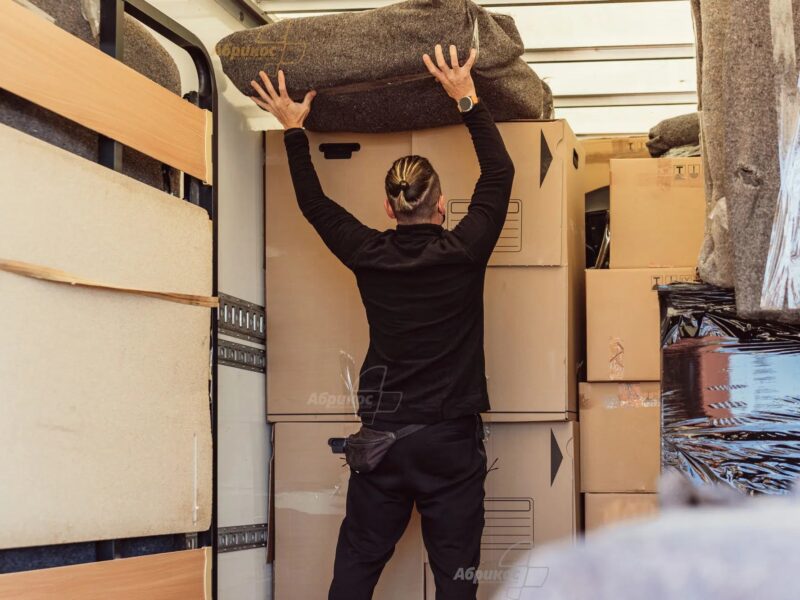
Protective materials are equally important. Furniture moving through confined areas can come close to walls, door frames, railings, and other surfaces, so blankets and appropriate protection can help prevent unnecessary marks or scratches.
How Professional Movers Approach Difficult Access
Experienced movers generally look at the entire route rather than focusing only on the truck. The distance between the home and vehicle, the available carrying path, and the dimensions of the largest belongings all influence the loading process.
For a residential relocation in Dunedin, the team may need to prioritize particularly bulky pieces and establish a practical order for removing furniture and boxes.
Residents can explore local moving options at https://dunedinmovers.com/movers-in-dunedin-fl/ when arranging assistance for properties where access requires additional planning.
A Good Loading Sequence Can Save Time
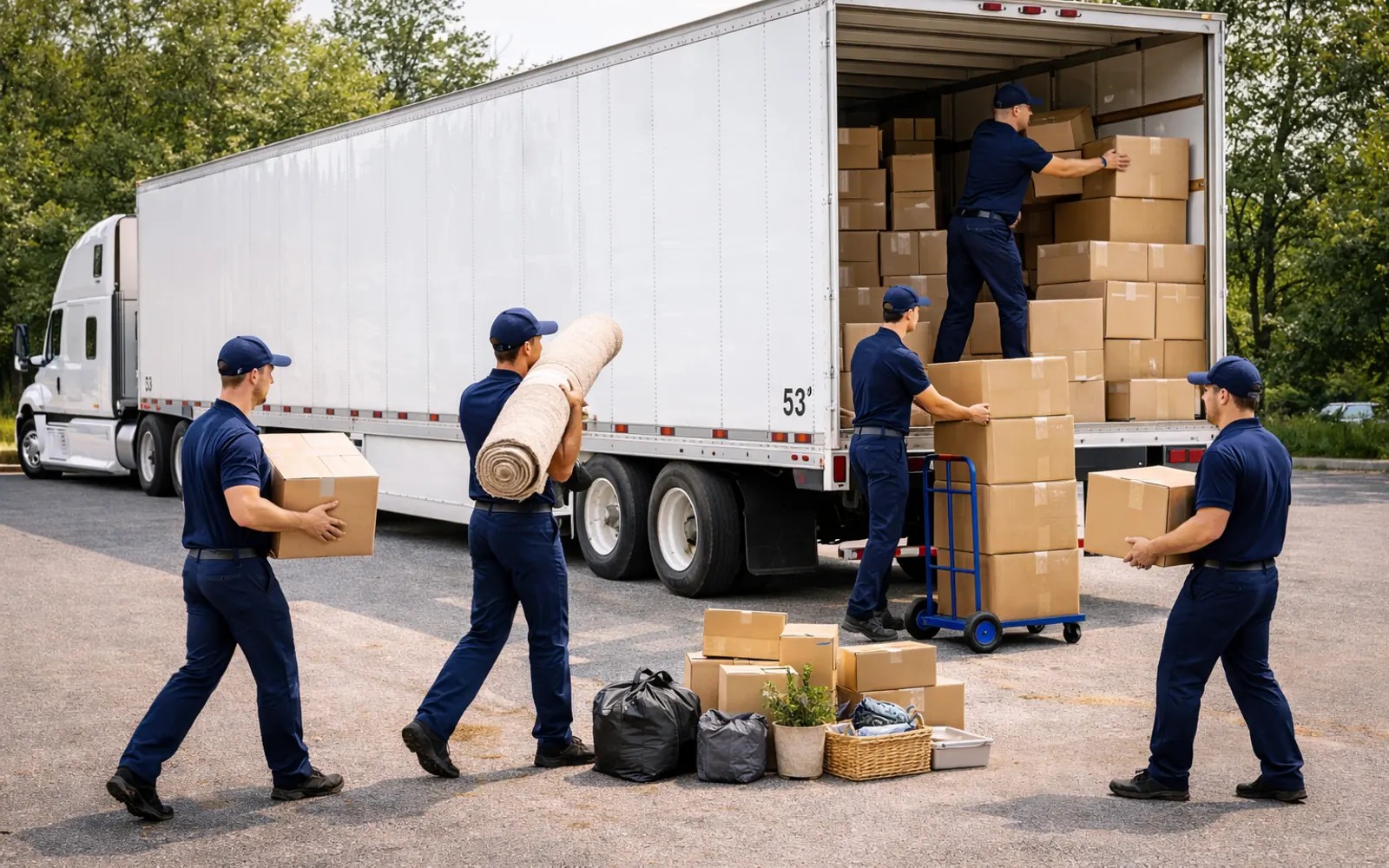
Large furniture is often easier to handle when the loading process follows a deliberate sequence. Smaller boxes can be positioned after the major pieces have been removed, leaving enough room for movers to carry bulky items without repeatedly rearranging the load.
At the same time, fragile belongings should not simply be placed wherever space remains. Their position inside the truck should account for stability and protection during transportation.
Consider the Destination Before the Truck Leaves
Street access at the new property matters just as much as it does at the old one. A wide driveway at the starting point does not help if the destination has restricted parking or a narrow entrance.
Before moving day, homeowners should consider where the truck can safely stop and how furniture will reach the front door. If the destination is on another narrow street, the same access assessment should be performed there.
This becomes particularly important for larger household moves involving several heavy furniture pieces.
When Storage Can Reduce Street-Side Pressure
A homeowner does not always need every belonging delivered at once. If the new property has limited space or renovation work is still underway, temporary storage can reduce congestion during the transition.
Selected furniture and boxes can be moved out of the immediate way and brought into the home later. This can be useful when both properties have restricted access or limited room for temporary placement.
Narrow residential streets do not have to turn moving day into a logistical headache. With advance access planning, sensible furniture preparation, protective handling, and an organized loading sequence, even homes with limited street space can be approached efficiently.