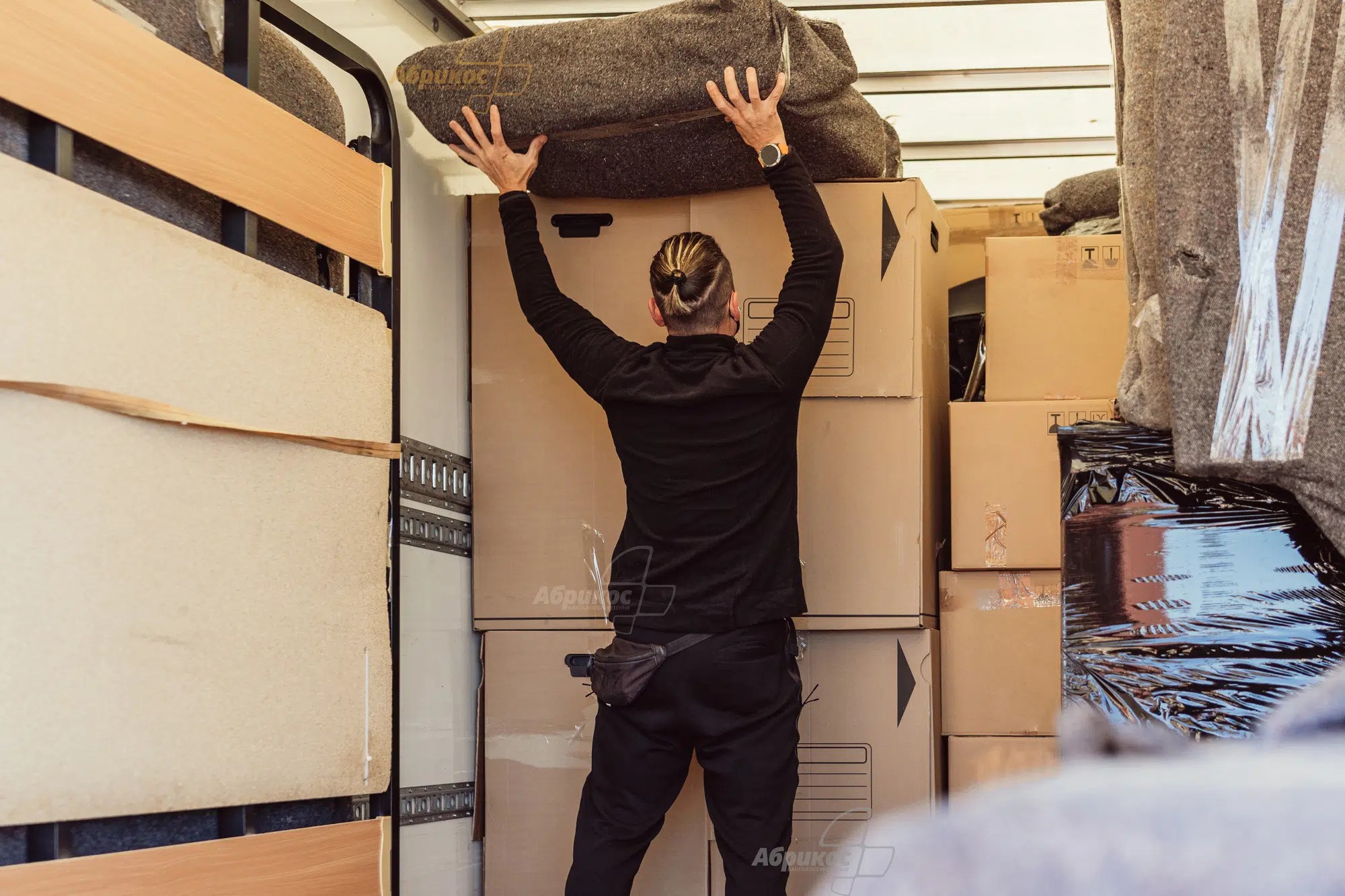
A high-rise move changes the logistics of moving day. Instead of walking directly from a driveway into a house, your belongings may need to travel through a parking area, building entrance, security desk, elevator, corridor, and finally to an apartment several floors above the street.
That extra sequence does not make a Las Vegas apartment move difficult by default, but it does make advance coordination especially valuable. Knowing the building’s requirements before the moving truck arrives can save time and prevent avoidable delays.
Get the Building Rules Before Moving Day
Start with the property manager or building management team. Ask about the procedures that apply specifically to move-ins.
Some buildings may require an elevator reservation, proof of insurance, a designated loading area, or a particular arrival window. Others may have restrictions on when large items can be transported through common areas.
Do not assume that weekend or evening access will be available simply because residents can enter the building at those times.
Reserve the Elevator
If a freight or service elevator is available, find out whether it must be booked in advance. Ask how long the reservation lasts and whether the building requires padding or protective coverings inside the elevator.
Nevada Movers can coordinate the physical moving work, but the building’s access requirements should be confirmed before the crew arrives.
Measure the Route, Not Just the Apartment
A sofa fitting inside the living room does not guarantee that it will reach the living room.
Measure the apartment entrance and check tight corners, hallway widths, elevator dimensions, and door openings. Pay attention to ceiling height and turning areas around staircases or corridors.
For unusually large furniture, determine the complete route from the loading point to the destination rather than checking only the final doorway.
Identify Problem Pieces Early
Oversized sofas, mattresses, wardrobes, tables, and exercise equipment deserve advance attention. Tell your movers about anything unusually large or heavy.
Knowing about potential obstacles ahead of time gives the crew an opportunity to plan the safest handling method.
Plan Where the Truck Will Stop
High-rise buildings often have limited loading space. A truck may not be able to remain directly outside the entrance for an unlimited amount of time.
Ask management where movers should park and whether a loading bay, alley, garage entrance, or service access point is available.
For Las Vegas properties, the surrounding environment can also affect the experience. During particularly hot weather, reducing the time furniture and people spend waiting outside can make loading and unloading considerably more manageable.
Pack for Vertical Transportation
Moving boxes through an elevator is different from carrying them into a suburban house.
Use manageable box sizes and avoid creating containers so heavy that they are difficult to safely lift. Clearly label boxes by room so they can be taken directly to their intended destination once they reach the correct floor.
If the building has several elevators or multiple access points, make sure the crew knows which one has been reserved.
Local services from https://nevadamoverslv.com/services/local-services/ can be particularly useful when a Las Vegas relocation involves the additional coordination required by a high-rise property.
Keep the Lobby Clear
Avoid leaving personal belongings in building common areas while waiting for the next elevator trip. Apart from creating congestion, unattended boxes may interfere with residents and building staff.
A streamlined loading process keeps the move moving upward rather than creating a pileup at the entrance.
Protect Common Areas
High-rise buildings typically have shared flooring, walls, doors, elevators, and corridors. Moving large furniture through these spaces requires additional care.
Ask management what protective measures are required. Elevator padding, floor coverings, or corner protection may already be provided or may need to be arranged.
Keep small decorative objects and personal items away from the moving route. The fewer obstacles around a large piece of furniture, the easier it is to maneuver safely.
Keep Your Essentials Accessible
Do not send everything upstairs with the moving crew. Keep your keys, identification, important paperwork, phone charger, medications, valuables, and basic overnight supplies with you.
An essentials bag is particularly useful when the move takes several hours and you need something before every box has reached the apartment.
Give the New Apartment a Functional Start
Once furniture reaches the correct floor, tell the crew where major pieces belong. Having a basic placement plan can prevent unnecessary repositioning inside the apartment.
Set up the bed, bathroom essentials, and a few everyday items first. The rest can be unpacked gradually.
Nevada Movers can take care of the physical demands of getting belongings into the building, while your preparation handles the logistical side. With elevator access secured, the route measured, parking arranged, and building rules understood, moving into a Las Vegas high-rise becomes a coordinated process rather than a series of surprises.